

CHAMRIDER BATTERIES
CHAMRIDER BATTERIES



CHAMRIDER BATTERY BOX



CHAMRIDER COMPONENTS



By Thomas Rivière, Product Analyst — Last updated: 30 September 2026
The ChamRider 36V 15Ah battery: who is it for?
The 36V 15Ah is the top reference in ChamRider’s 36V lineup, with a capacity of 540 Wh (36 x 15) — 50% more onboard energy than the 36V 10Ah. It targets hub-motor bikes used for longer urban trips, or when daily recharging isn’t guaranteed (part-time remote work, irregular commutes). Like the 10Ah, it stays limited to standard hub motors: for cargo or demanding mid-drive use, the 48V/52V lineup is better suited.
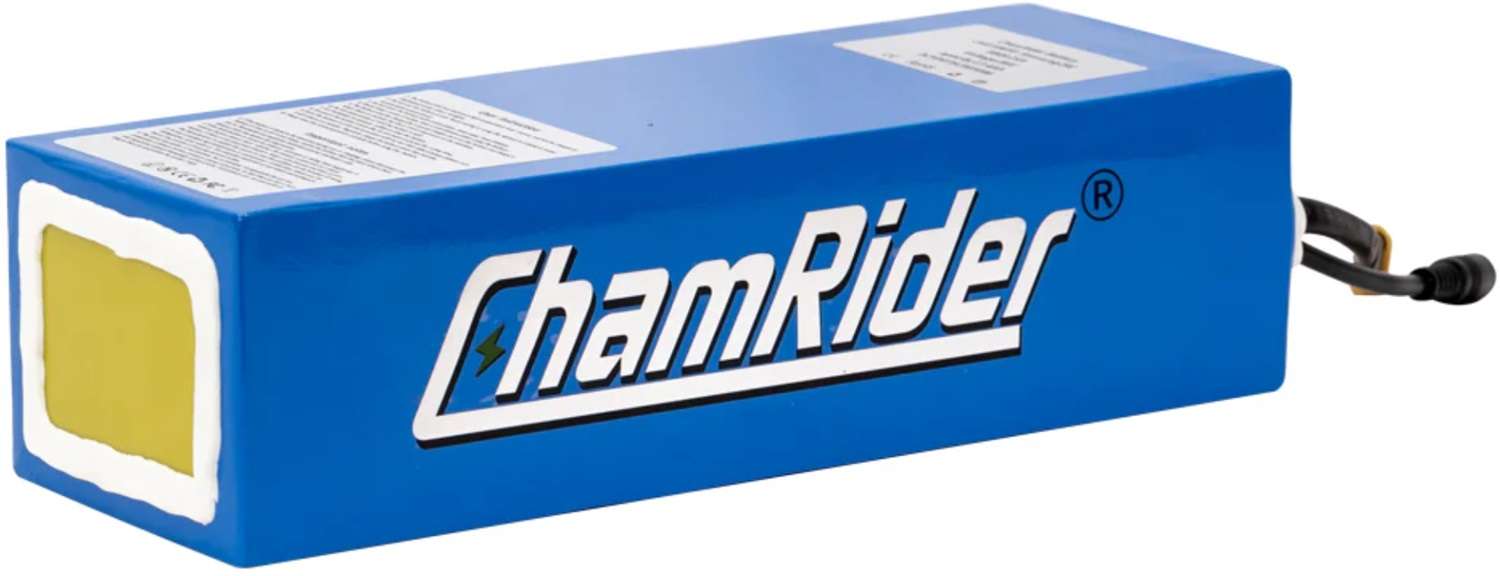
540 Wh: where the 15Ah sits in the lineup
The energy actually stored is measured in watt-hours (Wh = voltage x Ah). Across the ChamRider lineup:
- 36V 10Ah — 360 Wh
- 36V 15Ah — 540 Wh (this reference)
- 48V 12Ah — 576 Wh
- 48V 14Ah — 672 Wh
- 48V 15Ah — 720 Wh
- 48V 20Ah — 960 Wh
- 52V 13Ah — 676 Wh
Notable point: the 36V 15Ah (540 Wh) and the 48V 12Ah (576 Wh) store almost identical energy. The difference isn’t in theoretical range, but in motor compatibility — see below. Never compare two batteries on Wh alone without first checking that the voltage matches your motor.
Real-world range: what to expect
With 540 Wh and average consumption generally between 10 and 20 Wh/km depending on the profile (flat vs hilly, assist level, rider weight), theoretical range sits between 27 and 54 km. This is an estimate based on that standard consumption range, not a figure published by ChamRider. In stop-and-go city riding, consumption tends toward the top of the Wh/km range (so the bottom of the distance range) because of repeated restarts; on flat, uninterrupted riding it tends toward the bottom of the Wh/km range (so the top of the distance range).
Motor compatibility: still limited to hub motors
Going from 10Ah to 15Ah increases capacity, not voltage: the 36V 15Ah remains a 36V pack, still sized for standard hub motors (250-350W), not for the 48V/52V mid-drive systems that need higher voltage. That’s what sets it apart from the 48V 12Ah despite near-identical energy (576 Wh): two batteries close in Wh but incompatible with each other on the motor side. Always check the voltage your controller expects before choosing based on displayed range alone.
Estimated weight: what the capacity implies
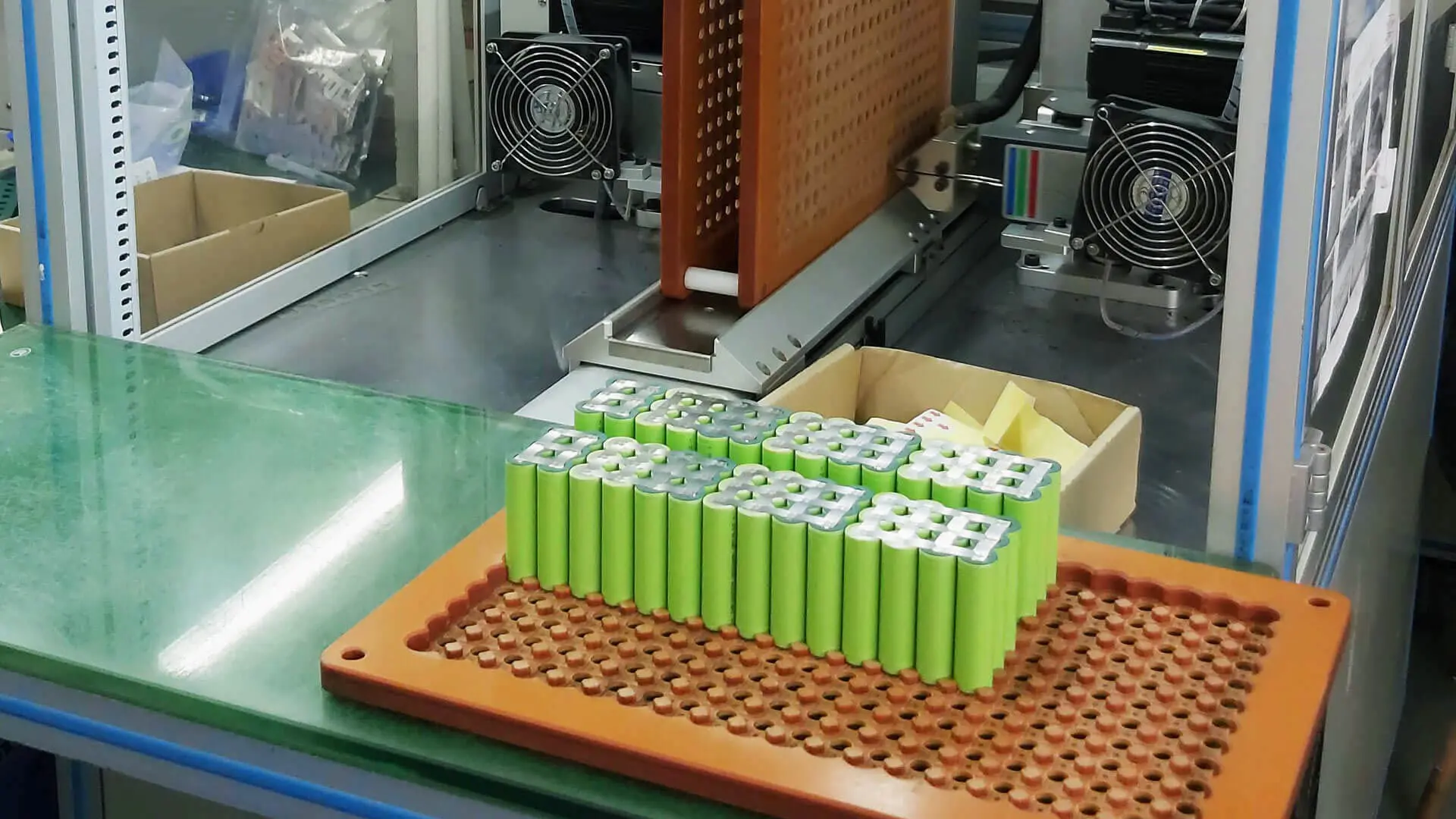
ChamRider doesn’t publish a detailed spec sheet per reference, but an order of magnitude can be estimated from the typical energy density of e-bike lithium cells (roughly 150 to 180 Wh/kg for cells alone). For 540 Wh, that’s about 3 to 3.6 kg of cells, plus the BMS and casing — likely a total weight between 3.5 and 4.2 kg, versus 2.5 to 3 kg for the 10Ah. This is an order-of-magnitude estimate based on the technology, not a verified manufacturer figure.
Charge cycles and real-world lifespan
The full ChamRider battery comparison states a guaranteed cycle count of 800+ for LFP cells. The higher capacity doesn’t change that cycle count itself, but it changes how often you actually charge: with 540 Wh, typical urban use can often go 2 to 3 days between charges instead of an almost-daily charge for the 10Ah — which, for the same trips, uses fewer cycles per year and can extend effective battery life beyond the 2.5-3 years estimated for daily-charge use.
Estimated charging time
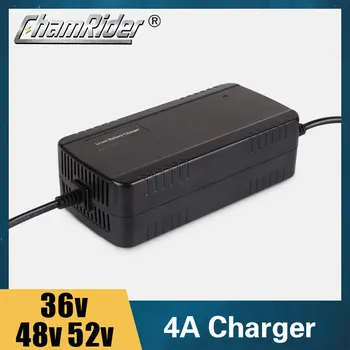
Chargers supplied with this type of battery typically deliver 2 to 3 A. For a 15 Ah capacity, that’s a theoretical full-charge time of about 5h to 7h30 (charging slows near the end of the cycle, pushing the real time a bit beyond a simple linear calculation) — noticeably longer than the 10Ah at the same charge current. Check the exact current shown on the supplied charger.
36V 15Ah, 36V 10Ah or 48V 12Ah: which one to pick?
Three scenarios: if your motor is a 36V hub motor and your trips are short with easy recharging, the 10Ah is enough and costs less for the same energy. If your trips get longer or daily recharging isn’t guaranteed, the 15Ah becomes worthwhile. If your system is 48V (mid-drive), the question isn’t about Wh but voltage: the 48V 12Ah is the only one of the two that’s compatible, despite a capacity close to the 15Ah. See the 36V 10Ah page for the entry reference.
Who this battery is not for
Three profiles should look elsewhere in the lineup: cargo or heavy-load use (favour the 48V 20Ah), 48V/52V mid-drive systems this reference isn’t electrically compatible with, and riders wanting the lowest possible weight for short trips, where the 36V 10Ah stays more suitable and cheaper.
Frequently Asked Questions
What real-world range should I expect from a ChamRider 36V 15Ah battery?
With 540 Wh and average consumption of 10 to 20 Wh/km, theoretical range sits between 27 and 54 km depending on terrain and assist level.
Is the 36V 15Ah compatible with a 48V system?
No. Despite near-identical energy to the 48V 12Ah (576 Wh vs 540 Wh), the voltage differs, making the two incompatible with each other.
Should I pick the 36V 15Ah or the 36V 10Ah?
The 15Ah (540 Wh) suits longer trips or uncertain daily recharging. The 10Ah (360 Wh) is enough for short urban use with easy recharging, at a lower cost and weight.
How much does the ChamRider 36V 15Ah battery weigh?
Estimate based on typical lithium cell energy density (150-180 Wh/kg): roughly 3 to 3.6 kg of cells, for a likely total weight of 3.5 to 4.2 kg with BMS and casing.
How long does it take to fully charge this battery?
With a standard 2 to 3 A charger, about 5h to 7h30 for a full charge, slightly more accounting for the slowdown near the end of the cycle.
To compare this reference against the full lineup, see the full ChamRider battery comparison, or the dedicated 36V 10Ah page.
At 540 Wh, the 36V 15Ah suits longer hub-motor trips or irregular recharging, but stays electrically incompatible with the near-identical-capacity 48V 12Ah — voltage, not Wh, decides.