


CHAMRIDER BATTERIES
CHAMRIDER BATTERIES


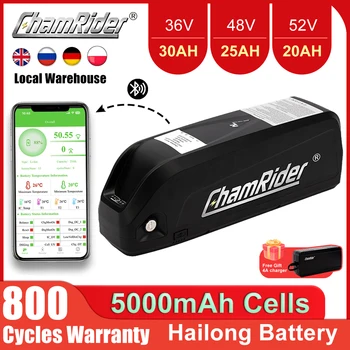
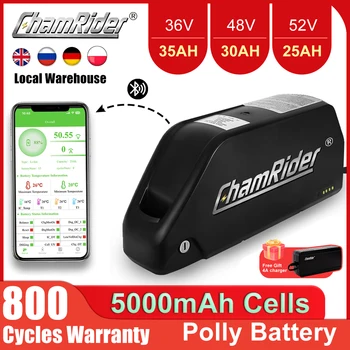
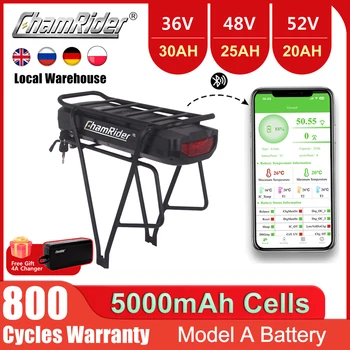

CHAMRIDER BATTERY BOX

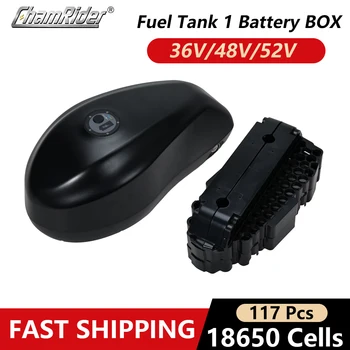

CHAMRIDER COMPONENTS
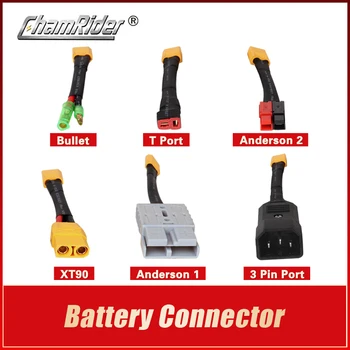

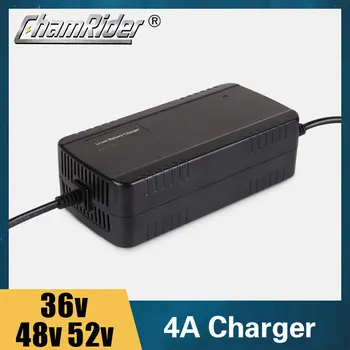
Looking for a ChamRider battery to replace the one on your e-bike or to equip a conversion kit? This guide helps you choose: which voltage, which capacity, which connector, and what to check before you buy.
This site does the research for you: it gathers and summarises what the brand and the retailers publish, and what the technical rules of lithium batteries dictate, so you can skip hours of searching across product pages, forums and shops. We link to the shops where the models are sold; we neither sell nor make batteries.
By Thomas Rivière, Product Analyst — Last updated: October 5, 2026
This site is an independent editorial guide with no connection to the ChamRider brand: we are neither its official site nor one of its retailers. Our editorial team is dedicated to comparing ChamRider batteries, model by model, using published specifications, to help you choose with confidence.
Partner links: we may earn a commission on a purchase, at no extra cost to you.
Which voltage to choose: 36, 48, 52 or 72 V?
The battery voltage must match that of your bike’s controller and motor: it is the first criterion, before capacity. A mismatched voltage can prevent starting or damage the electronics. A few general benchmarks:
- 36 V: a common voltage on many factory-built e-bikes and entry-level conversion kits. Product pages: 10 Ah, 15 Ah.
- 48 V: a widespread voltage for conversion kits; at the same current, more power is available than with 36 V. Product pages: 12 Ah, 14 Ah, 15 Ah, 20 Ah.
- 52 V: only for controllers that accept it. A 52 V lithium-ion battery (14 cells in series) reaches about 58.8 V when charged, against about 54.6 V for a 48 V battery (13 cells): check the maximum voltage the controller can withstand, not just its nominal voltage. Product page: 13 Ah.
- 72 V: only for systems designed for this voltage, rare on bicycles.
At equal voltage, capacity determines range. It is measured in watt-hours: voltage × amp-hours. A 48 V 14 Ah battery stores 672 Wh. With an assumed consumption of 15 Wh/km (an order of magnitude that varies with weight, terrain, wind and assistance level), that gives about 45 km. Two batteries with the same voltage but different capacities can therefore only be compared in watt-hours. The full method is in the guide to choosing your battery.
Compatibility with a Bafang or Tongsheng motor: what to check
For a Bafang BBS01, BBS02 or BBSHD motor, or a Tongsheng, the motor’s data sheet gives the accepted nominal voltage and maximum current. Three checks before ordering:
- the battery voltage is among those accepted by the controller;
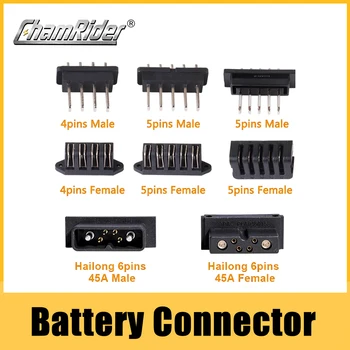
- the connector and mounting type (frame, rear rack) match your bike;
- the battery’s maximum discharge current is at least equal to what the controller demands.
Compare ChamRider batteries by voltage

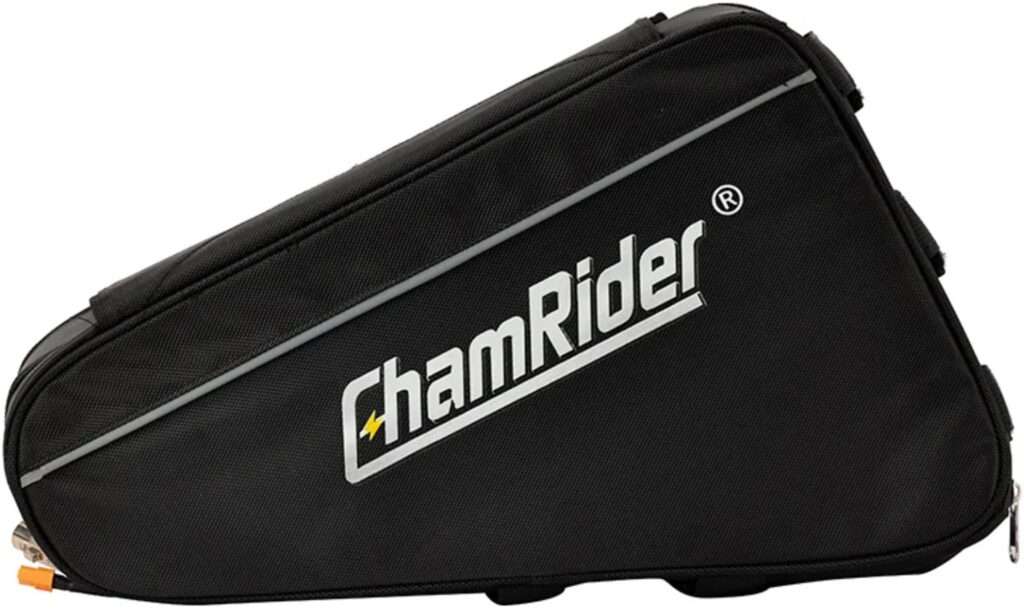
Each voltage and each format (frame-mounted battery, rear-rack battery…) is presented on the batteries page, with the available capacities.
ChamRider battery maintenance

A lithium battery wears out with every charge cycle. Storage temperature, charge level and the charger used all affect its lifespan: the maintenance tips are detailed in the guide.
What we have checked, and what we have not
The information on this page comes from the data sheets published by the brand and from the general rules governing lithium batteries. We have not carried out any real-world test: range, lifespan and performance remain figures stated by the manufacturer or the seller.
Some points are not documented here: safety certification, warranty, delivery and return conditions. They depend on the seller and the model; ask for them in writing before buying and keep the answer. Prices vary by shop and over time: compare the final price, delivery and returns included.
How to choose your ChamRider battery?
Choosing the ideal battery for your ChamRider e-bike means taking several factors into account.
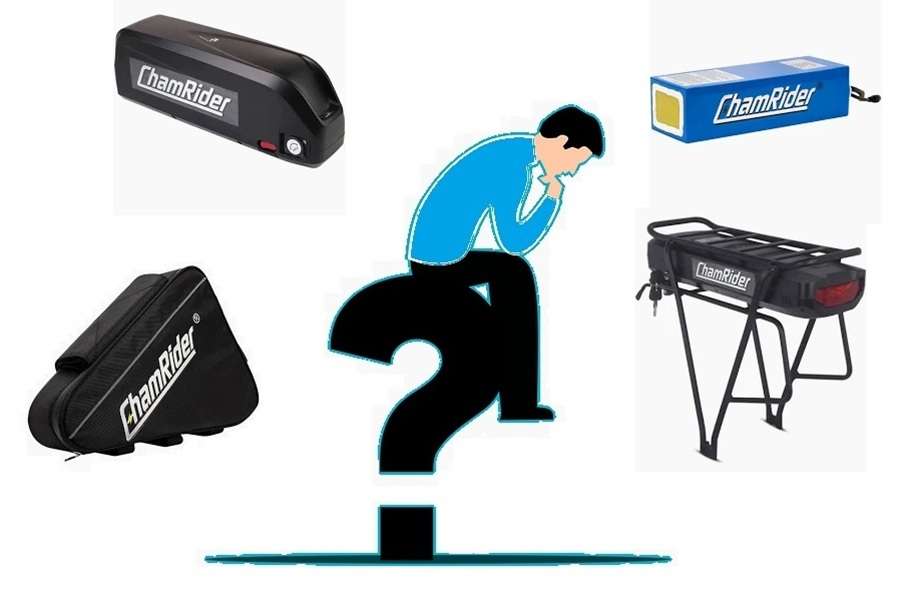
On our simplified ChamRider buying guide page you will find the method to follow to determine the battery that best matches your needs.
A few formulas and description tables will help you choose the best combination for your use and budget.
ChamRider customer reviews

Explore all ChamRider guides
The batteries: See all ChamRider batteries: 36V, 48V, 52V and 72V · ChamRider chargers and accessories · E-bike batteries: range and lifespan
Buying guides: Choosing your ChamRider battery · Battery comparison by model and voltage · ChamRider battery technology
Maintenance and reviews: Battery maintenance and safety · ChamRider customer reviews
Frequently asked questions
What types of ChamRider batteries can you find?
Lithium batteries for e-bikes in 36, 48, 52 and 72 V, in several capacities and formats. The details of each model are on the all ChamRider batteries page.
Are ChamRider batteries certified?
We have no certification document to cite. Before buying, ask the seller for the declaration of conformity (CE marking of the battery and charger) and check that the battery includes a BMS, the system that monitors charging, discharging, temperature and current.
How long does a ChamRider battery last?
Lifespan is counted in full charge cycles and depends on the cell chemistry, temperature, depth of discharge and the current the motor demands. We do not quote a brand figure for lack of a source: check the model’s data sheet and the page on maintenance and safety to preserve it.
Is a ChamRider battery compatible with my motor?
Check the voltage accepted by the controller, the connector and the maximum discharge current, as described above. If in doubt, ask the seller before ordering.
Where to buy a ChamRider battery, and what about delivery?
From retailers and on marketplaces such as Amazon or AliExpress. Delivery times, fees, warranty and return conditions are those of the chosen seller: read them before ordering.