

CHAMRIDER BATTERIES
CHAMRIDER BATTERIES



CHAMRIDER BATTERY BOX



CHAMRIDER COMPONENTS



By Thomas Rivière, Product Analyst — Last updated: 30 September 2026
The ChamRider 48V 15Ah battery: who is it for?
The 48V 15Ah, with a capacity of 720 Wh (48 x 15), is the top standard reference in the 48V tier before the cargo-oriented 20Ah. It’s the most versatile choice for a mid-drive motor: enough energy to absorb regular climbs or a heavier rider without the oversizing (and extra weight) of the 48V 20Ah, which is built for cargo.
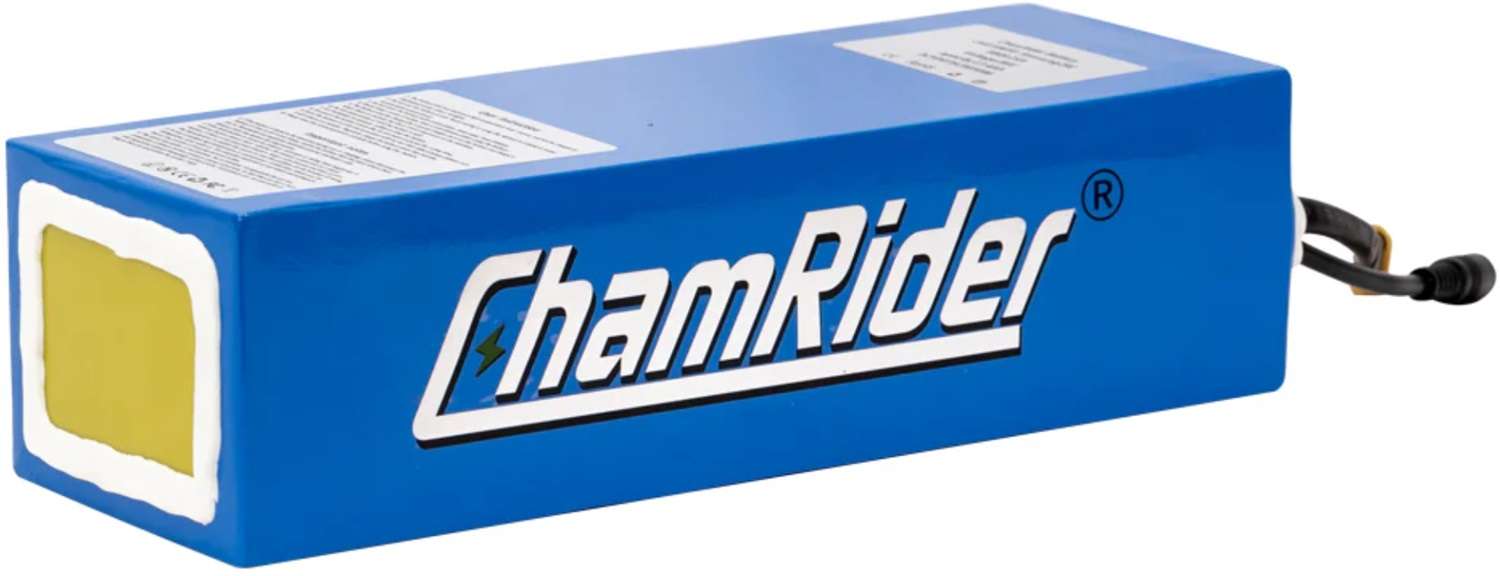
720 Wh: where the 15Ah sits in the lineup
Across the ChamRider lineup:
- 36V 10Ah — 360 Wh
- 36V 15Ah — 540 Wh
- 48V 12Ah — 576 Wh
- 48V 14Ah — 672 Wh
- 48V 15Ah — 720 Wh (this reference)
- 48V 20Ah — 960 Wh
- 52V 13Ah — 676 Wh
It’s the second-highest capacity in the whole lineup, right behind the 20Ah — but at a noticeably lower weight, making it a good compromise for anyone wanting margin without going full cargo.
Real-world range, including edge cases
With 720 Wh and a mid-drive motor typically consuming between 12 and 25 Wh/km, theoretical range sits between 29 and 60 km in standard use. But this reference stands out on edge cases: repeated climbs or a rider over 90-100 kg increase real consumption per km, sometimes 30 to 50% above the flat-terrain average. At 720 Wh, the margin absorbs those swings better than a 12Ah or 14Ah, without the weight of a 20Ah built for much heavier loads.
Motor compatibility: still limited to 48V mid-drives
Like the rest of the 48V tier, the 15Ah is sized for mid-drive motors (typically 500-750W), not for 36V hub motors or 52V systems. Always check the voltage your controller expects before buying.
Estimated weight: what the capacity implies
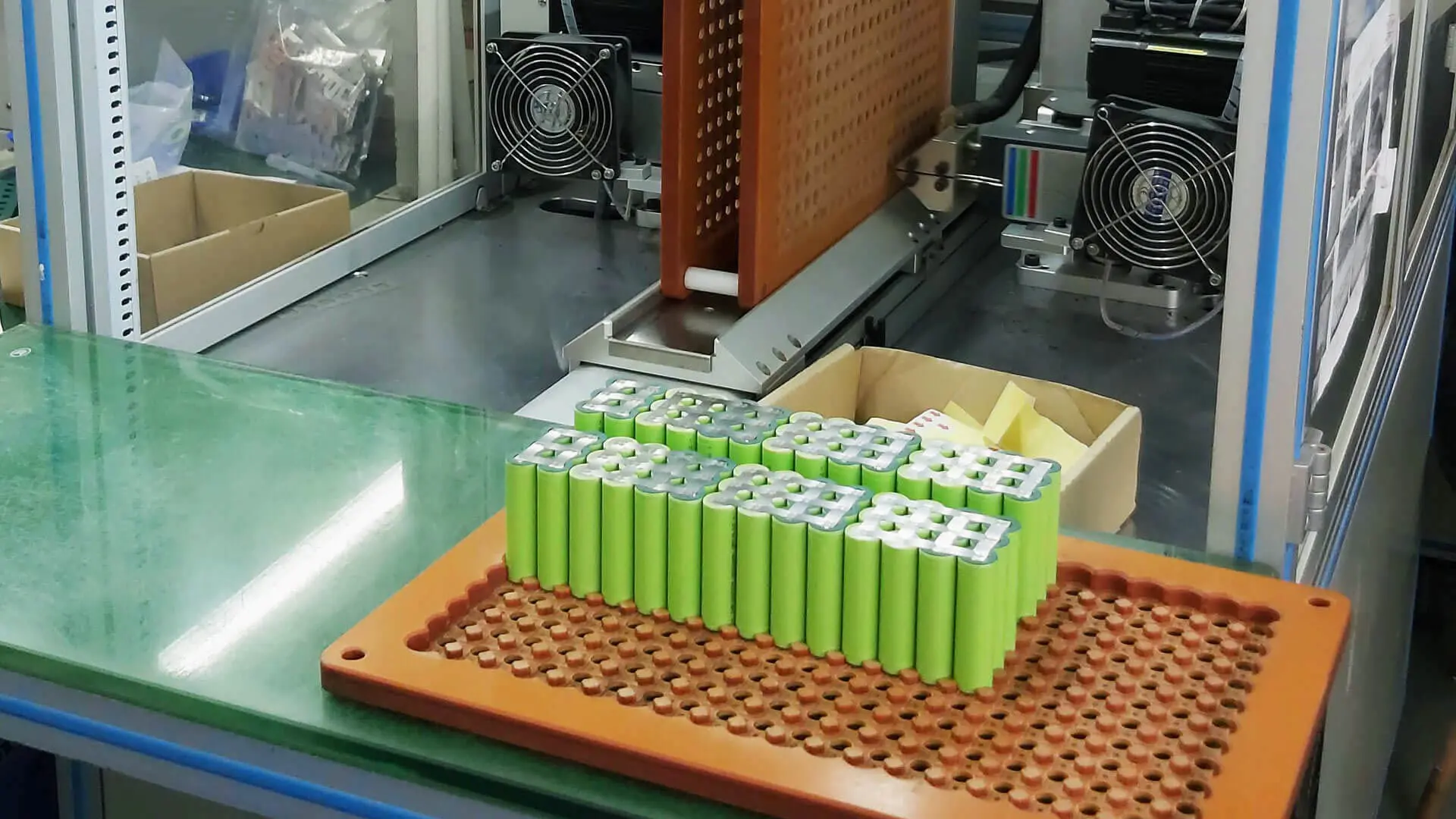
ChamRider doesn’t publish a detailed spec sheet per reference, but an order of magnitude can be estimated from the typical energy density of lithium cells (roughly 150 to 180 Wh/kg for cells alone). For 720 Wh, that’s about 4 to 4.8 kg of cells, plus the BMS and casing — likely a total weight between 4.6 and 5.5 kg.
Charge cycles and real-world lifespan
The full ChamRider battery comparison states a guaranteed cycle count of 800+ for LFP cells. For daily use with a charge almost every day (roughly 250 to 300 cycles a year), that works out to roughly 2.5 to 3 years before a noticeable capacity drop. For a heavy rider or hilly terrain that draws more from the battery each trip, charging can stay daily despite the large capacity — unlike light flat-terrain use, where 720 Wh often allows spacing charges out.
Estimated charging time
Chargers supplied with this type of battery typically deliver 2 to 3 A. For 15 Ah, that’s a theoretical full-charge time of about 5h to 7h30 (charging slows near the end of the cycle).
48V 15Ah or 48V 20Ah: is the 20Ah worth the extra weight?
The 48V 20Ah offers 240 Wh more (960 vs 720 Wh, +33%), but at a noticeably higher estimated weight (around 5.3-6.4 kg of cells vs 4-4.8 kg here). That extra weight is felt on every trip, even when the battery is nearly empty. Unless you have regular cargo use or very long, frequent trips, the 15Ah remains the best range-to-weight compromise in the 48V tier — the 20Ah is built for a structural need, not for “just-in-case” margin.
Who this battery is not for
Three profiles should look elsewhere: 36V hub motors (incompatible), cargo or heavy-load transport better served by the 48V 20Ah, and tight budgets with short, flat trips, where the 12Ah or 14Ah is plenty without the extra cost and weight of the 15Ah.
Frequently Asked Questions
What real-world range should I expect from a ChamRider 48V 15Ah battery?
With 720 Wh and a mid-drive motor consuming 12 to 25 Wh/km, theoretical range sits between 29 and 60 km in standard use, less with significant climbing or a heavy rider.
Is the 48V 15Ah suited to climbs and heavy riders?
Better than a 12Ah or 14Ah: its higher capacity absorbs the extra consumption from climbs or rider weight, without the weight of a 20Ah built for cargo.
Is the 48V 15Ah compatible with a 36V hub motor?
No. Like the whole 48V tier, it’s reserved for mid-drive motors, never 36V hub motors or 52V systems.
How much does the ChamRider 48V 15Ah battery weigh?
Estimate based on typical lithium cell energy density (150-180 Wh/kg): roughly 4 to 4.8 kg of cells, for a likely total weight of 4.6 to 5.5 kg with BMS and casing.
How long does it take to fully charge this battery?
With a standard 2 to 3 A charger, about 5h to 7h30 for a full charge.
To compare this reference against the full lineup, see the full ChamRider battery comparison, or the dedicated 48V 14Ah page.
With 720 Wh, the 48V 15Ah is the best range-to-weight compromise in the mid-drive tier, absorbing climbs and heavier riders without the extra bulk of the cargo-oriented 20Ah.