The Different ChamRider Battery Models
ChamRider’s lineup spans 24V to 72V with capacities from 10Ah to 45Ah — covering everything from light-assist commuters to high-powered cargo and mountain bikes. The three most requested configurations: 36V for standard hub motors, 48V for mid-drives, and 52V for performance builds where speed matters alongside range.

CHAMRIDER BATTERIES
Available on AliExpress
CHAMRIDER BATTERIES


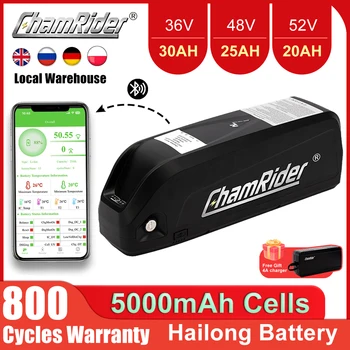
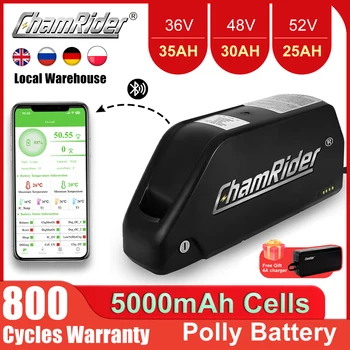
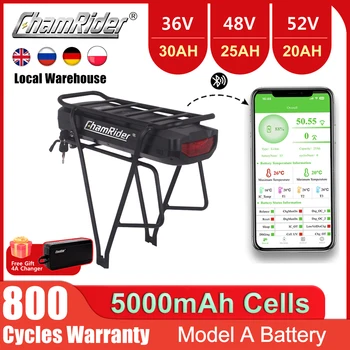

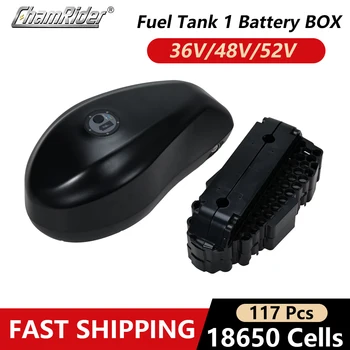
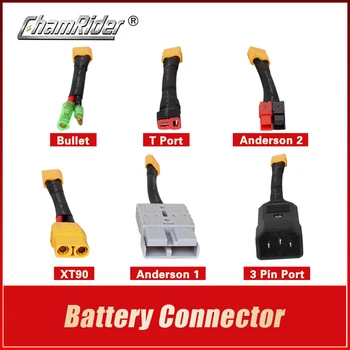
CHAMRIDER BATTERY BOX
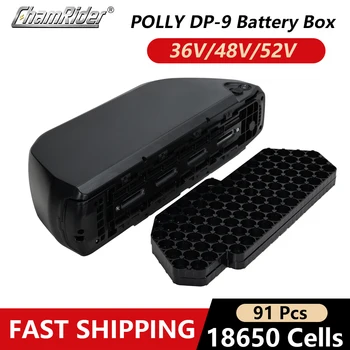

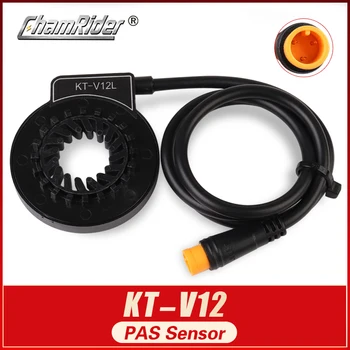
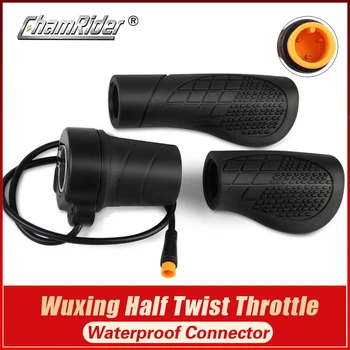
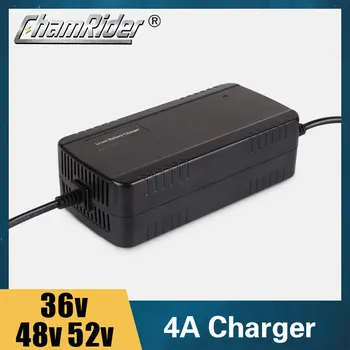
CHAMRIDER COMPONENTS

Integrated Battery
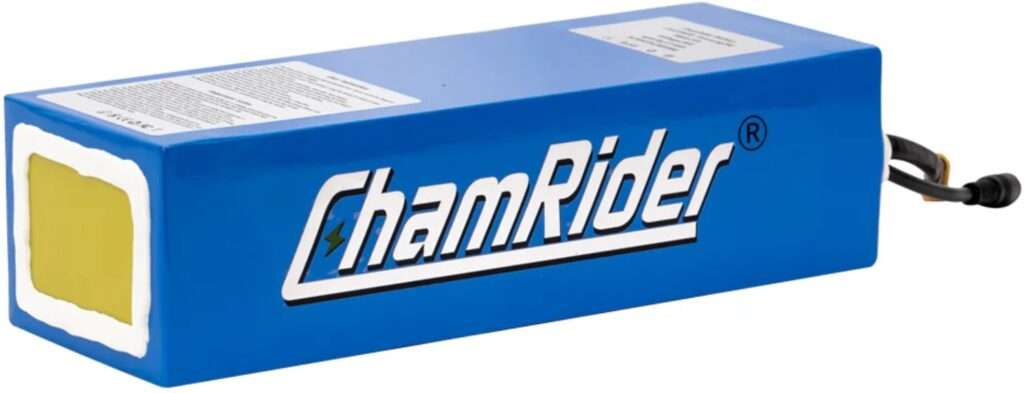
The battery is fully integrated into the bicycle frame, providing a clean, streamlined appearance and excellent structural integration. This configuration enhances weather protection and lowers the center of gravity, improving overall stability and handling.
Down Tube Battery
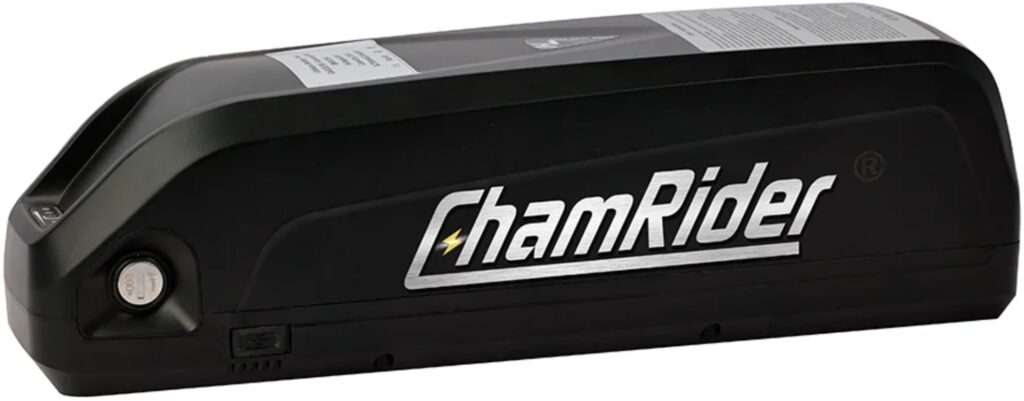
The battery is positioned inside the down tube of the frame, a conventional and highly practical location. It offers easy access, broad compatibility with many bicycle designs, and balanced weight distribution.
Triangle Battery
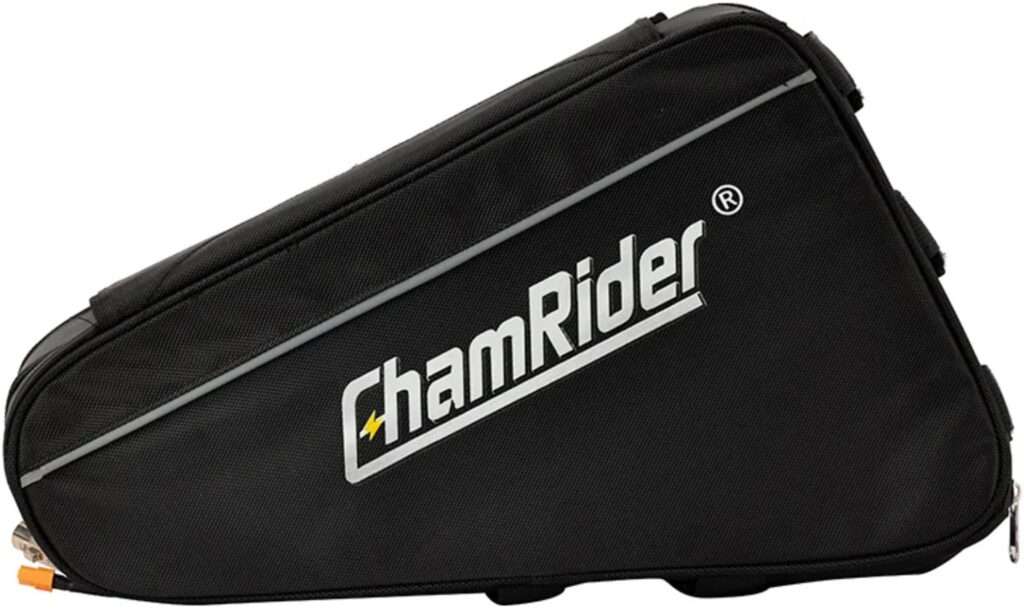
This battery features a triangular form factor and is typically mounted beneath the top tube. Its modern design provides solid capacity and compatibility with a wide range of frame geometries.
Rear Rack Battery
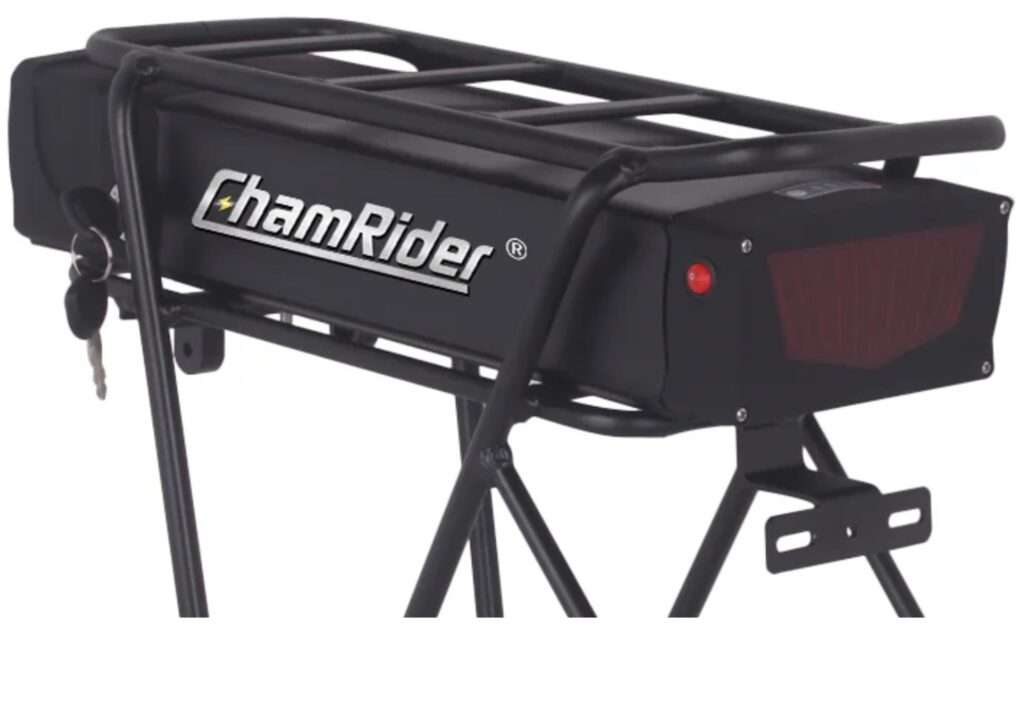
The battery is mounted on the rear luggage rack. It is easy to remove for charging and is suitable for bicycles equipped with a rear carrier. The added rear weight can also improve stability during riding.
Silverfish Battery
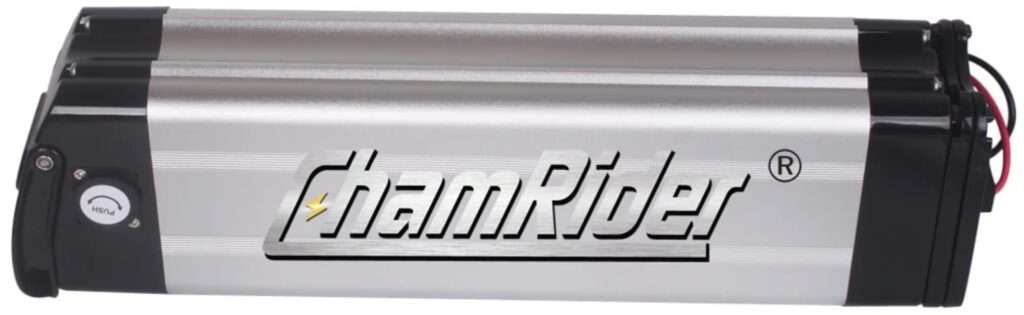
This elongated, flat battery is often installed beneath the top tube. Its discreet design offers solid capacity and is ideal for bicycles with low-profile frames.
Folding Bike Battery
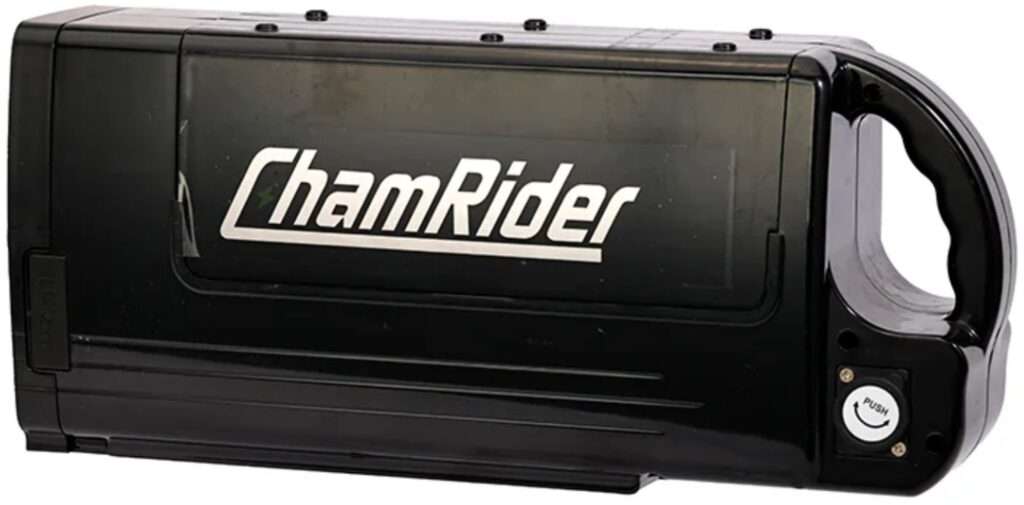
This battery is engineered specifically for folding bicycles, featuring compact dimensions and a mounting system adapted to folding mechanisms. It is optimized for portability and storage without compromising maneuverability.
Bottle‑Style Battery
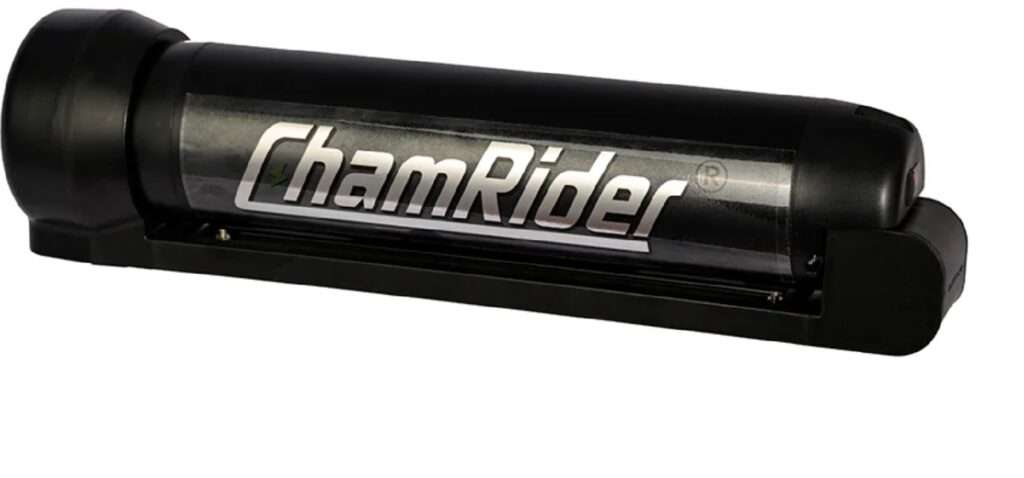
This battery mimics the shape of a water bottle and mounts directly onto the bottle cage. It is easy to remove and is well‑suited for occasional or lightweight use.
Seatpost Battery
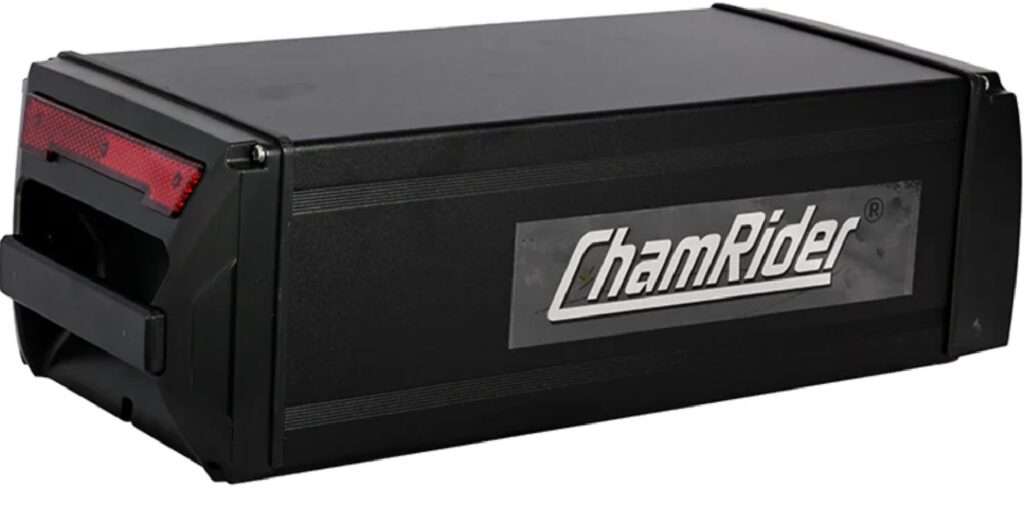
The battery is integrated into the seatpost, offering a discreet design and a lower center of gravity. However, this configuration may limit saddle height adjustment.
Objective e-bike battery comparison requires looking past marketing specs and focusing on measurable indicators. Real energy in Wh (nominal voltage × actual measured capacity, not peak), complete pack weight (cells, housing, BMS, connectors, wiring), and BMS quality (number of protection layers, cutoff current, reset behavior) are the three metrics that directly affect real-world use. A pack listed at “15 Ah” but delivering 12 Ah under actual load is common practice among unbranded generics — a simple capacity tester run overnight will reveal the gap before you ever install the pack.
Lithium-ion (NMC or NCA) and lithium iron phosphate (LiFePO4) chemistries serve different use cases. LiFePO4 offers inherently better safety (no thermal runaway risk from puncture), longer cycle life (1,500–2,000 cycles vs. 500–800 for NMC), but around 30 % lower energy density — meaning a heavier pack for the same Wh figure. For a commuter bike with a rear rack where weight is secondary to longevity and safety, LiFePO4 makes a strong argument. For trail or speed-focused e-bikes where pack weight affects handling, NMC’s energy density advantage remains decisive.
Against unbranded or obscure-brand generic packs, ChamRider batteries differ on three verifiable points: CE certification (available as documentation on request), cell sourcing from referenced manufacturers with batch traceability, and the availability of spare BMS units and replacement cells for out-of-warranty repair. A pack without CE certification cannot be legally sold in the EU market. A pack from a manufacturer with no identified repair channel leaves the user with a single option when something fails out of warranty: full replacement.
Capacity ranges associated with each voltage (in amp‑hours, Ah):
24V: 0–10Ah
36V: 10–15Ah
48V: 15–20Ah
52V: 20–25Ah
60V: 25–30Ah and 35–40Ah
72V: 30–35Ah, 40–50Ah, and 50–80Ah
Voltage‑capacity correlation: Higher voltages generally correspond to higher capacities, as these batteries are designed for applications requiring increased power output and energy reserves.
Capacity range: Each voltage category offers a broad selection to accommodate different range requirements. For example, 72V batteries span from 30Ah to 80Ah, providing exceptional flexibility for demanding users.
Real‑World Range Testing
ChamRider’s real‑world testing procedures evaluate battery performance, durability, and safety under everyday riding conditions. These tests simulate diverse environments, terrain types, temperatures, and usage intensities.
During testing, batteries undergo repeated charge and discharge cycles across varied routes, from urban commuting to off‑road trails. Engineers assess behavior under elevation changes, frequent stops, and rapid accelerations. Water resistance and impact resistance are also evaluated to ensure safe operation in changing weather conditions.
Range measurements are based on real‑world usage, ensuring that the batteries meet user expectations regarding distance capability. The collected data helps refine battery design and enhance overall performance. These real‑condition tests ensure optimal user experience and reinforce ChamRider’s reputation in the e‑bike industry.
Performance Evaluation by Model
Performance evaluation of ChamRider batteries is based on several models tailored to different rider requirements. Performance depends primarily on voltage and amp‑hour (Ah) capacity.
For 24V systems, capacities range from 0 to 10Ah, suitable for short trips or lightweight bicycles.
At 36V, capacities from 10 to 15Ah enable longer distances while maintaining efficient assistance.
With 48V, capacities of 15 to 20Ah deliver increased power for more demanding routes.
52V models, offering 20 to 25Ah, are ideal for riders seeking a balance of performance and range across varied terrain.
For intensive use, 60V batteries provide 25 to 30Ah and even 35 to 40Ah, ensuring optimal performance for long and challenging rides.
Finally, 72V batteries—available in 30–35Ah, 40–50Ah, and up to 80Ah—are engineered for high‑performance e‑bikes or scooter‑like electric vehicles, delivering maximum power output.
Each model in the lineup ensures a precise match between voltage, capacity, and user requirements, guaranteeing an optimal riding experience for all types of cyclists.
Related guides: battery selection guide — e-bike batteries — ChamRider lithium-ion batteries
Related guides: battery selection guide — e-bike batteries — ChamRider lithium-ion batteries
See also: ChamRider Home — ChamRider Batteries — Accessories ChamRider — Maintenance & safety — Range & capacity — Battery technology — Choosing guide — Customer reviews